
How to Starta Vehicle Wrap Business in 2026
A practical guide to starting a vehicle wrap business — equipment, skills, pricing, finding customers, and the software you need to run operations.
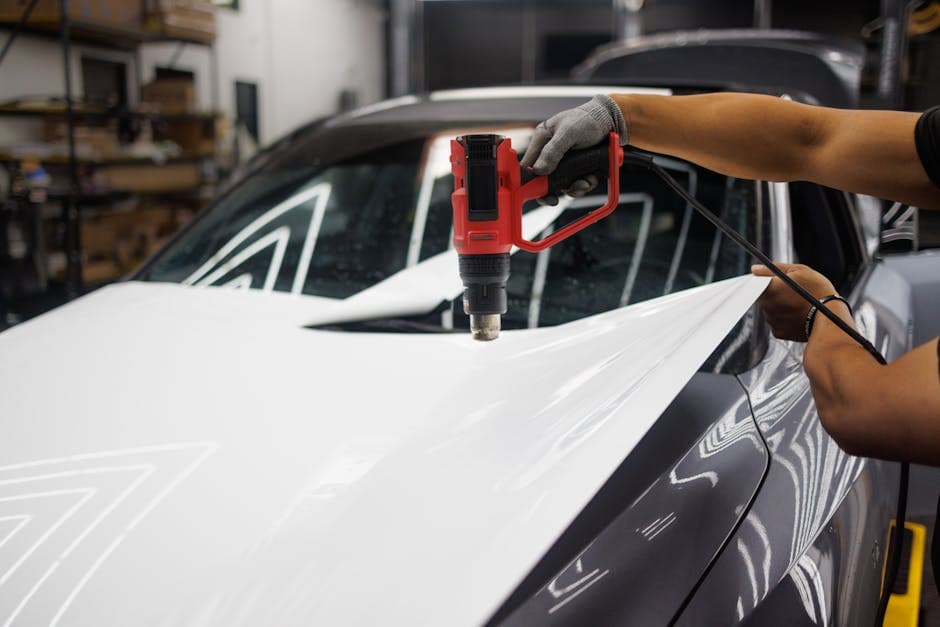
Table of Contents
Starting a vehicle wrap business is one of the most profitable trades you can get into. Margins are strong (50–70% on labor), demand is growing, and the barrier to entry is lower than most people think. Here's a practical guide to getting started.
The Market Opportunity
The vehicle wrap industry is projected to reach $12+ billion globally by 2028. The growth is driven by:
- •Fleet branding. Every service company with vans and trucks needs wraps.
- •Color change wraps. Personal vehicle wraps are exploding on social media.
- •PPF and tint. Most wrap shops add paint protection film and window tint as revenue streams.
- •Replacement cycle. Wraps need replacing every 3–7 years, creating recurring revenue.
What You Need to Start
Equipment ($15,000–$50,000)
- •Wide-format printer: The core of your business. A 54" or 64" eco-solvent or latex printer (Roland, Mimaki, HP) runs $15,000–$30,000 new.
- •Laminator: Protects printed graphics. $3,000–$8,000.
- •Cutting plotter: For cut vinyl, lettering, and contour cutting. $2,000–$5,000.
- •Install tools: Heat guns, squeegees, knifeless tape, clay bar, isopropyl alcohol. $500–$1,000.
- •Design software: Adobe Illustrator is the industry standard. $55/month.
Space
You need a clean, climate-controlled install bay big enough for the largest vehicle you plan to wrap. Minimum 14' x 30' for cars and vans, larger for box trucks. Rent varies by location — $1,500–$4,000/month for a suitable commercial space.
Skills
- •Design: Understanding vehicle templates, bleed, and how graphics flow across panels.
- •Printing: Color management, media profiles, RIP software.
- •Installation: This is the craft. Expect 6–12 months of practice before you're efficient. Consider attending a 3M or Avery training course.
Pricing Your Work
New shops often underprice their work. Here's a framework:
Cost-Plus Method
1. Calculate material cost (vinyl + laminate per square foot × vehicle coverage) 2. Add production labor (printing, cutting, weeding, taping) 3. Add installation labor (your biggest cost — charge $100–$150/hour) 4. Add design time if applicable 5. Add your profit margin (target 50–60% overall)
Market Rate Method
Research what competitors in your area charge and position yourself accordingly. Most markets have room for a premium option (better quality, faster turnaround, better customer experience) and a budget option.
See our Wrap Price Calculator for data on what shops typically charge by vehicle and wrap type.
Finding Your First Customers
Local Businesses
Walk into every service company with unmarked white vans. HVAC, plumbing, electrical, cleaning, landscaping — they all need vehicle branding. Offer a competitive price on the first wrap to build your portfolio.
Social Media
Before/after wrap photos perform extremely well on Instagram and TikTok. Document every install. Time-lapse videos of installations consistently go viral in the automotive community.
Google Business Profile
Set up your Google Business Profile immediately. Most wrap customers search "vehicle wrap near me" or "car wrap [city]." Ask every customer for a review.
Wrap Communities
Join Facebook groups for vehicle wraps and local car communities. Offer your services, share your work, and build relationships.
Running the Business
Once you have jobs coming in, operations become the challenge. You need to:
- •Track jobs from first contact through design, production, install, and pickup
- •Generate quotes quickly and accurately (customers comparing 3+ shops)
- •Manage materials so you don't run out of vinyl mid-job
- •Communicate with customers about job status (they will call constantly)
- •Invoice and collect payments including deposits
Most new shops cobble together Trello + QuickBooks + Gmail + spreadsheets. This works for 5–10 jobs/month but falls apart as you grow.
Purpose-built wrap shop software like Wraptor handles all of this in one platform — job tracking, quoting, invoicing, CRM, customer portal, inventory, and team scheduling. It's designed specifically for the vehicle wrap workflow.
The Bottom Line
Starting a wrap business requires $20,000–$50,000 in equipment, a clean install space, and the patience to develop your installation skills. The payoff is a business with strong margins, recurring revenue, and growing demand. Focus on quality work, document everything for social media, and invest in proper business systems early — it's much harder to organize a chaotic shop than to start organized.
Ready to run your shop the right way from day one? Try the Wraptor demo — explore every feature with real sample data, no signup required.

Wraptor Editorial Team
Expert insights from industry veterans with over two decades of combined experience running high-volume vehicle wrap and tint studios.
The Wraptor Newsletter
Pricing data, material tips, and business strategies — delivered weekly.